
Cooler rooms.
Take the heat out of the glass, not out of the view.
Can window film make a hot room more comfortable?
In most rooms, yes. Solar control film treats the sunlight at the glass, so less of it becomes heat inside. How much difference you feel depends on the film, the glass, which way the room faces and the day.
Sunlight arriving at a window carries energy. A clear pane passes most of it straight through, where it becomes heat you then have to remove. Solar film reflects part of that energy back out and absorbs part of it at the glass, so less of it ever gets into the room.
- Nothing is replaced and nothing structural changes.
- The outward view is kept.
- Solar film reduces the heat passing through the glass.
- Solar energy is treated at the glass, before it becomes heat in the room.
- What a film achieves depends on the film, the glass, the orientation and the conditions on the day.
- Film reduces the load on a cooling system. It does not replace one.


What you notice.
Film goes on the inside face of the glass you already have. Nothing is replaced and nothing structural changes.
- The afternoon room stops running hotter than the rest of the building
- The cooling has less to fight through the peak of the day
- The seats beside the glass become somewhere you would choose to sit
- The daylight and the view stay as they were
At home and at work.
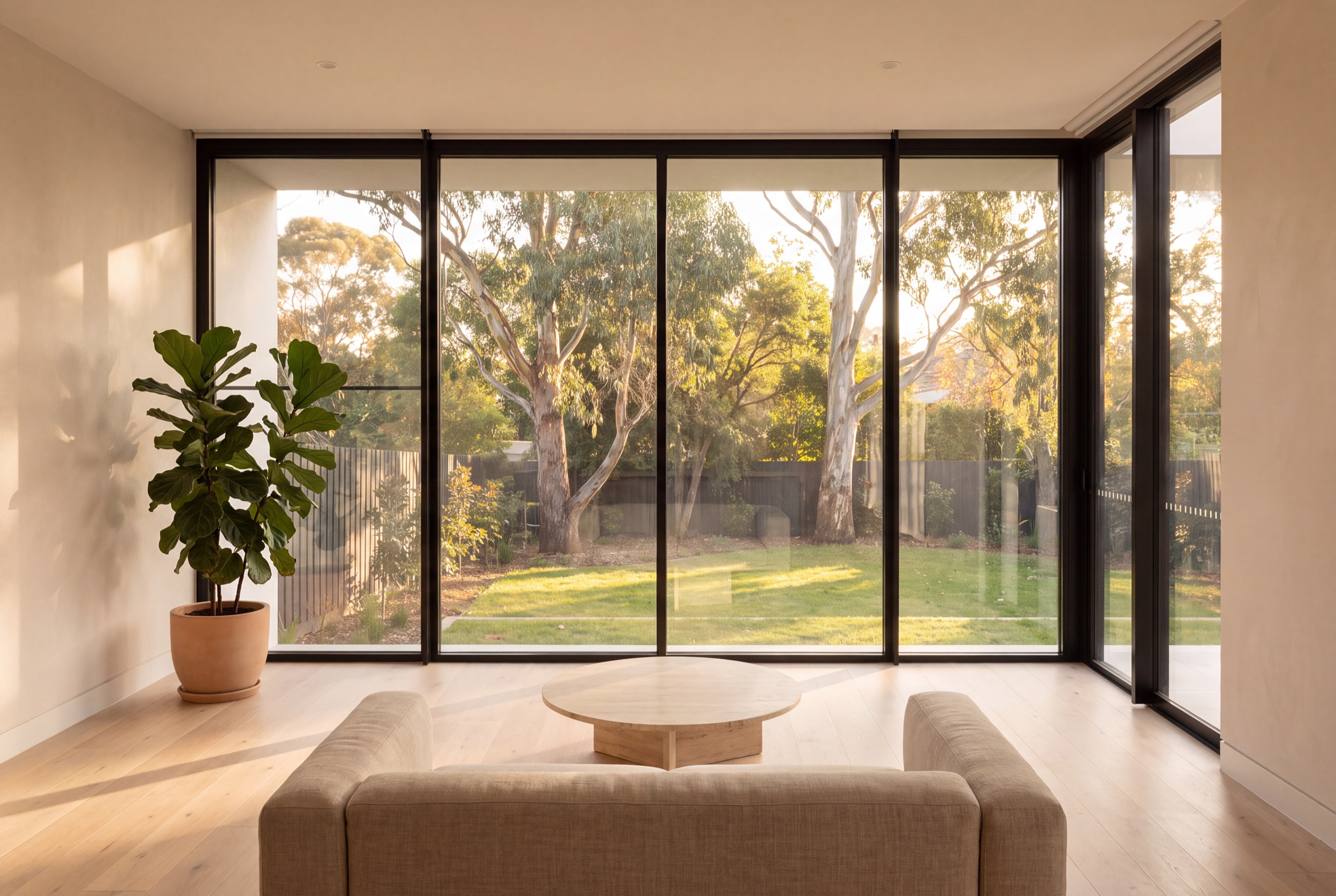
West-facing living rooms and north-facing glazing, where the afternoon makes the room unusable. 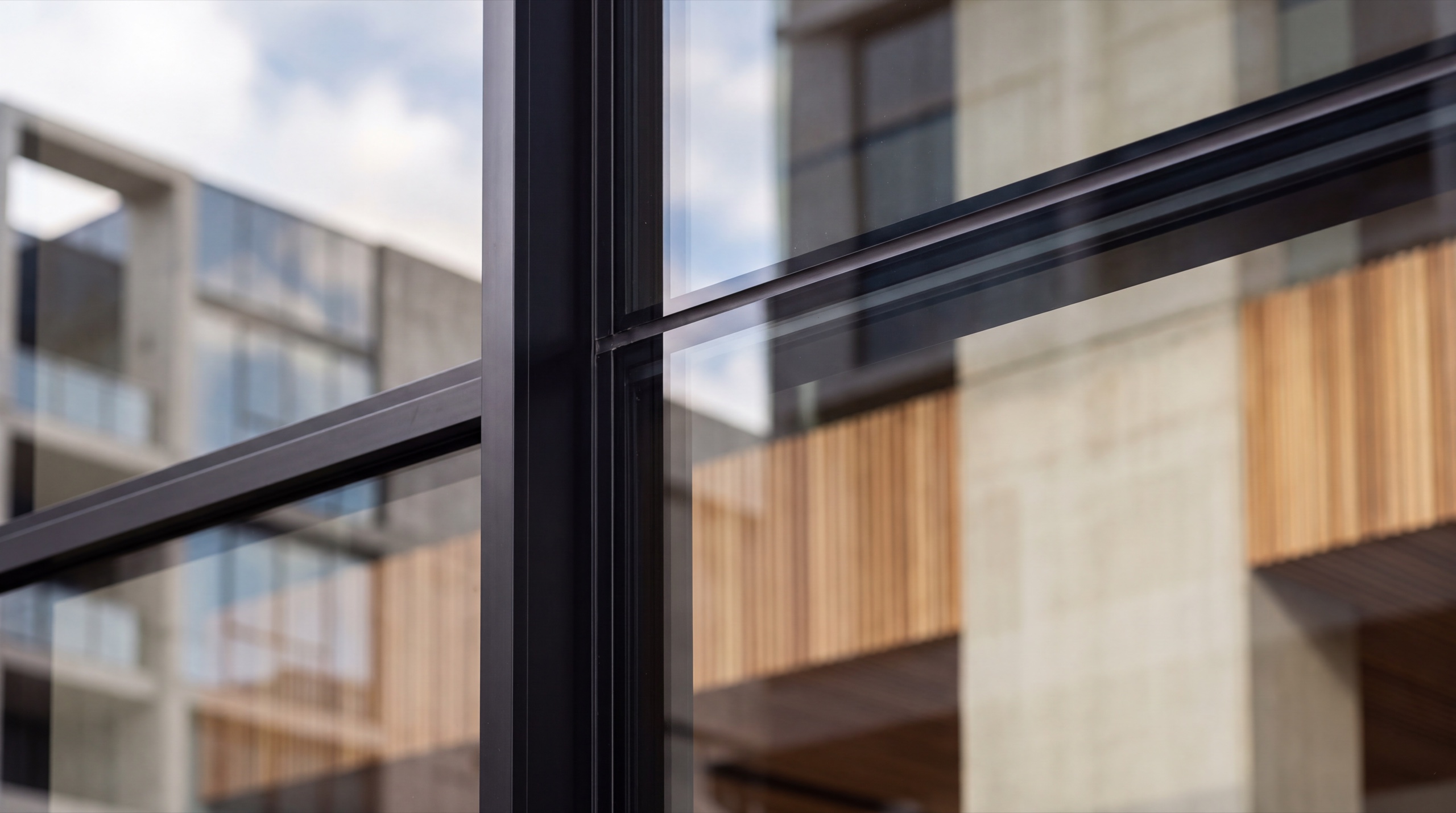
Curtain wall and shopfront glazing, treated in place without touching the building fabric.


Typical glazing.
- West and north facing living rooms
- Bedrooms under an exposed roofline
- Kitchens and dining rooms with large glazing
- Open plan floors with western exposure
- Stairwell and skylight glass
- Apartments where the glazing cannot be changed
What it will not do.
It is not air conditioning
Film reduces the heat coming in through the glass. It does not remove heat already in the room, and a west facing room in a heatwave will still be the warmest room you have.
The existing glass sets the ceiling
What is achievable depends on what is already there. A single clear pane has more to gain than a modern performance unit that is doing some of this work already.
Not every pane suits every film
Sealed units, heavily shaded glass and some toughened panes each need care. We confirm what is appropriate for your glass before we quote it.
Worth knowing.
Will it make the room dark?+
Will I still see out?+
Will my windows look mirrored from outside?+
Can film go on any window?+
Can film go on double glazing?+
Tell us about
the glass.
We confirm what suits your windows, then put a written quotation in front of you with the price, what it covers and how long it stands.
